Many homeowners and business owners first notice the problem when a drain slows down or an odor appears. By that point, the blockage or damage may already be well developed, and cleanup costs can climb quickly. Knowing what triggers winter backups makes it easier to act before a minor issue becomes an emergency.
This article explains why cold weather increases backup risk, which warning signs to watch for, and what to do if a backup starts. It also covers practical maintenance steps and when to call a professional for diagnosis and long-term protection.
Key Takeaways
- Cold weather, freeze-thaw cycles, and heavier water use raise the risk of sewer line backups.
- Slow drains, odors, and gurgling sounds are early warning signs that call for prompt action.
- Regular maintenance and professional inspections help prevent costly winter sewer problems.
Cold-Weather Conditions That Increase Backup Risk
Low temperatures change how grease, water, and soil behave around a sewer line. Cooling wastewater, freezing ground, and melting snow each create separate paths to a blockage or overflow.
Grease Buildup as Wastewater Cools
Fats, oils, and grease leave the kitchen as warm liquids. In winter, the wastewater cools faster as it travels through cold pipes and surrounding soil, and the grease solidifies against the pipe walls.
Each layer narrows the pipe a little more. Food scraps, wipes, and paper then catch on the rough surface, which forms a blockage that grows over weeks.
Holiday cooking raises the risk. Roasting pans, gravy, and frying oil are common sources of grease in November and December.
Common warning signs include:
- Slow drains in more than one fixture
- Gurgling sounds from toilets or floor drains
- Sewage odors near drains
Restaurants and other food businesses face the same process at a larger scale, which is why grease traps need regular servicing.
Frozen Shallow Lines and Exposed Pipes
Sewer lines are usually buried below the local frost line, but not all are. Older properties, shallow service lines, and sections near foundations, crawl spaces, or exterior walls can freeze when temperatures stay below 32°F for several days.
Because sewer pipes carry intermittent flow, standing water or waste inside a cold pipe can freeze and form a partial or complete blockage. Ice also narrows the pipe, so solids and grease catch more easily.
Exposed pipes in unheated areas carry the most risk. These include:
- Garages and basements without heat
- Crawl spaces
- Outbuildings, such as detached shops or restrooms
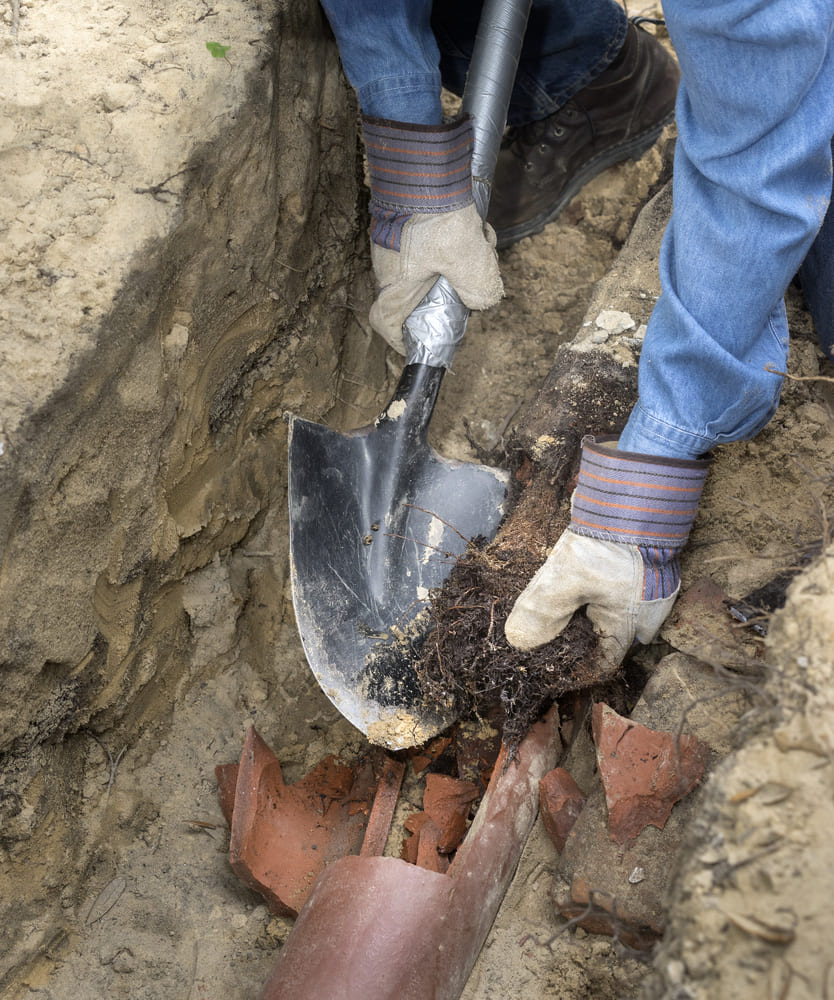
Soil that freezes and thaws repeatedly can also shift. That movement may crack pipes or pull joints apart, which creates openings where roots and debris enter.
Snowmelt Infiltration Through Damaged Sewer Pipes
When snow melts or winter rain soaks the ground, groundwater levels rise around buried pipes. If a sewer line has cracks, loose joints, or root intrusion, that water seeps in.
The added flow takes up capacity inside the pipe. A line that handles normal household use may back up once it also carries groundwater.
Municipal systems can be affected too. During heavy melt, high flow in the main sewer can push wastewater back toward connected properties, particularly those with low-lying fixtures such as basement floor drains.
Pipes with existing damage face the greatest exposure. A camera inspection can show cracks, offsets, and root growth before a thaw puts the line under load.
Warning Signs and Immediate Safety Steps
Sewer backups usually give notice before wastewater reaches the floor. Slow drains, gurgling sounds, odors, and several fixtures failing at once point to a blockage, and the right response is to stop adding water and keep contact with sewage to a minimum.
Slow Drains, Gurgling Fixtures, and Sewage Odors
The earliest signs are often small. A sink or tub that drains more slowly than usual, or a toilet that needs repeated flushing, can mean a partial blockage is forming in the line.
Gurgling is another clue. When wastewater moves past a restricted section of pipe, air gets pushed back through traps and vents, which can produce bubbling noises from drains, especially floor drains and toilets.
Sewer odors deserve attention too. A persistent smell near a floor drain, basement, or utility area suggests sewer gas is escaping, which can happen when a trap dries out or when the line is partly blocked.
In winter, watch for these signs in particular:
- Drains that slow down after a cold snap
- Gurgling that appears after snowmelt or heavy rain
- Odors inside the building when the outdoor temperature drops
Multiple Backed-Up Fixtures and Main Line Blockages
One slow sink usually points to a local clog. When several fixtures act up together, the problem is more likely in the main line that carries all the building’s wastewater.
Common patterns that suggest a main line blockage:
- Flushing a toilet causes water to rise in a tub or shower
- Running a washing machine makes a floor drain gurgle or overflow
- Fixtures on the lowest level back up first, since wastewater follows gravity
- More than one drain is slow at the same time
These patterns matter because a main line blockage can send sewage into the building within hours. Basements and ground-floor drains are the first places it appears.
If a frozen or obstructed line is suspected, call a licensed sewer professional promptly. Continued use of fixtures can push more wastewater toward the lowest openings.
Stopping Water Use and Avoiding Sewage Exposure
Once a backup is confirmed or strongly suspected, the first step is to stop adding water to the system. Avoid flushing toilets, running the dishwasher or washing machine, and using sinks, showers, or tubs.
If sewage is already entering the building, shut off the main water valve to limit additional flow. If standing water is near outlets, appliances, or the electrical panel, turn off power at the breaker only if you can reach it without stepping into the water. Otherwise, leave the area and contact your utility or an electrician.
Sewage contains bacteria, viruses, and parasites, so limit contact:
- Keep children, pets, and anyone with a weakened immune system out of the affected area
- Wear waterproof boots, rubber gloves, and eye protection if entry is necessary
- Do not mix cleaning chemicals, and ventilate the space by opening windows if it is safe to do so
- Discard porous items such as carpet padding or cardboard that have been soaked
Then call a sewer cleaning and cleanup provider to clear the line and assess the damage.
Preventive Maintenance for Homes and Businesses
Most winter sewer backups trace back to a short list of causes: what goes down the drain, pipes exposed to cold, lines that have gone uninspected, and neglected grease interceptors. Addressing each one before temperatures drop reduces the chance of an emergency call.
Keeping Grease, Wipes, and Food Scraps Out of Drains
Cold pipes cause fats, oils, and grease to cool and harden faster, so they stick to pipe walls and narrow the opening over time. Holiday cooking increases the volume of grease that goes down kitchen drains, which makes this a higher-risk season.
Pour cooled cooking grease into a sealed container and put it in the trash. Wipe greasy pans with a paper towel before washing them.
Do not flush or rinse down the drain:
- “Flushable” wipes, baby wipes, and cleaning wipes
- Paper towels, cotton balls, and feminine products
- Coffee grounds, eggshells, and rice
- Fibrous food scraps such as potato peels and celery
Only toilet paper and human waste belong in a toilet. Use a sink strainer to catch food particles, and scrape plates into the trash before washing them.
Protecting Vulnerable Pipes and Maintaining Indoor Heat
Pipes in unheated spaces such as crawl spaces, garages, and exterior walls are the most likely to be affected by freezing temperatures. Frozen water in drain and supply lines can create blockages and, in some cases, cracks that worsen as the ground freezes and thaws.
Keep indoor temperatures at or above 55°F, even when a property is vacant. Open cabinet doors under sinks on exterior walls so warm air can reach the pipes.
Insulate exposed pipes with foam sleeves, and seal gaps where cold air enters near plumbing. Disconnect outdoor hoses and shut off exterior spigots.
Businesses with seasonal closures should maintain heat in the building and have someone check the premises regularly. A single unheated weekend during a hard freeze can be enough to cause problems.
Scheduling Sewer Inspections and Targeted Cleaning
A camera inspection shows the actual condition of the line, including cracks, sagging sections, tree root intrusion, and scale buildup. Scheduling one in early fall gives time to make repairs before freezing weather arrives.
Cleaning methods match the problem:
| Method | Best used for |
| Drain snaking (augering) | Single blockages near a fixture |
| Hydro jetting | Grease, scale, and buildup along pipe walls |
| Root cutting | Roots entering through joints or cracks |
Properties with older clay, cast iron, or Orangeburg pipe, large trees near the line, or a history of backups should be inspected yearly. Other properties can often go every two to three years.
Slow drains, gurgling sounds, and recurring odors are signs that a line needs attention before a full backup occurs.
Maintaining Commercial Grease Interceptors
Restaurants, cafeterias, and other food service businesses rely on grease interceptors to keep fats and oils out of the sewer line. When an interceptor is full, grease passes through and builds up downstream, where cold pipes make it harden faster.
Many local regulations require pumping when grease and solids reach 25 percent of the interceptor’s liquid depth. Monthly or quarterly pumping is common, depending on kitchen volume.
Pumping schedules should be based on measured buildup, not on a fixed date alone. Keep service records on site, since health and wastewater inspectors may ask to see them.
Staff practices also matter. Scrape dishes before washing, use drain screens, and never pour fryer oil down a sink. Have the interceptor’s baffles, lids, and inlet and outlet pipes checked during each service visit.
Professional Diagnosis and Long-Term Protection
Winter backups often trace back to defects that a licensed professional can locate and measure, such as cracked pipe, roots, and sagging sections. Once the cause is confirmed, repairs and backflow protection can be matched to the actual problem instead of repeated drain clearing. Scheduling regular sewer services can help identify these issues early and reduce the risk of unexpected winter backups.
Identifying Recurring Problems With Sewer Camera Inspections
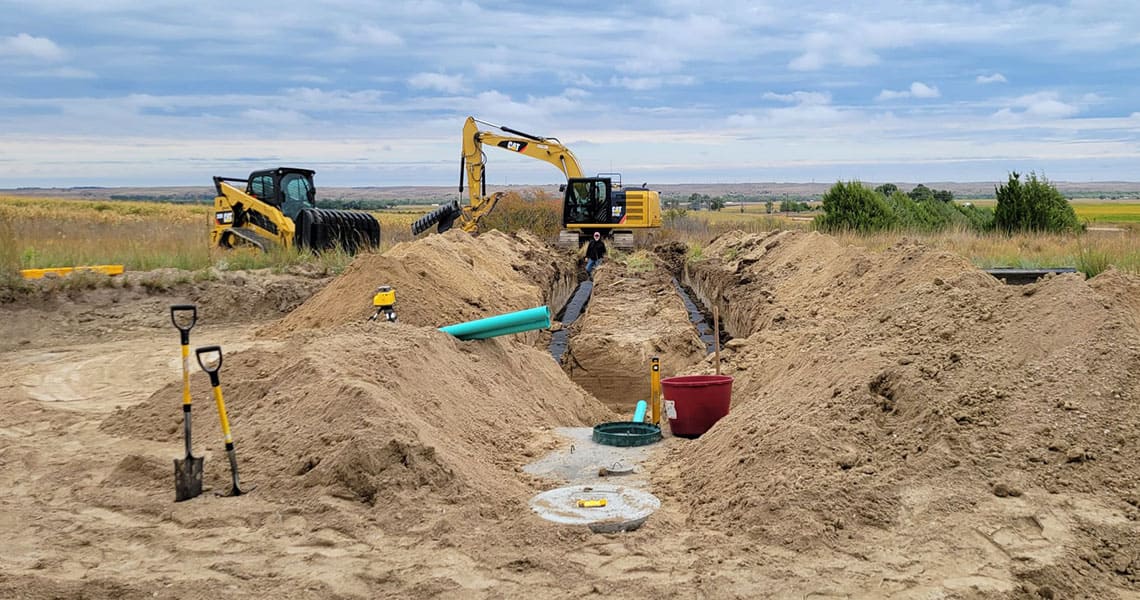
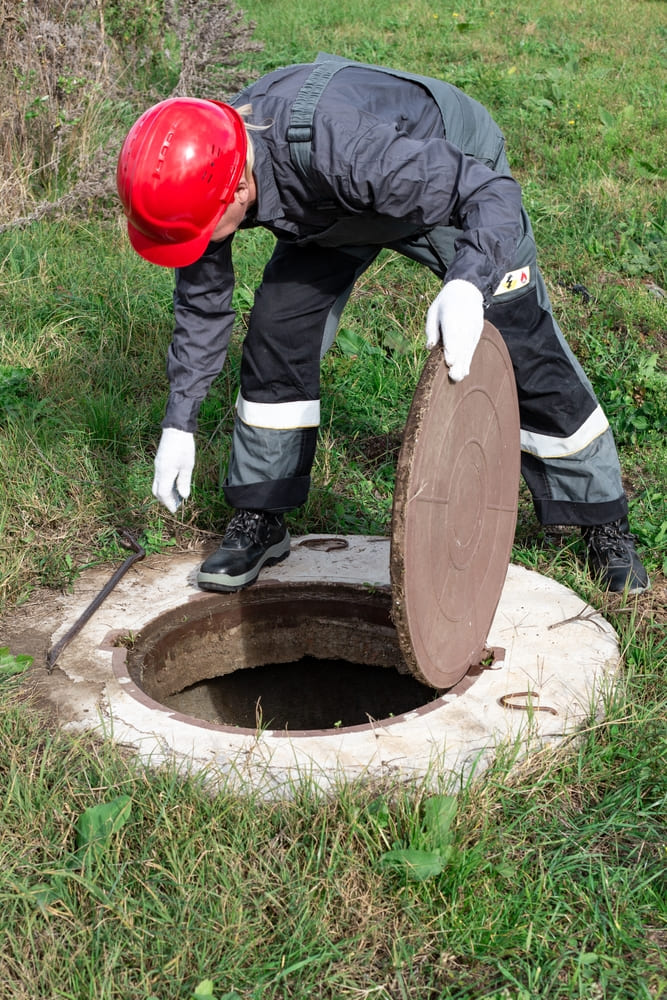
A sewer camera inspection sends a waterproof camera on a flexible cable through the cleanout and along the lateral line. The technician watches a live video feed and records the condition of the pipe from the building to the connection at the main.
Repeated backups in the same fixtures usually point to a defect rather than a one-time clog. Camera footage can show:
- Cracked, collapsed, or offset pipe joints
- Root growth entering at seams
- Grease buildup and mineral scale
- Low spots where water collects (called bellies)
- Misaligned or separated connections
Many inspections include a locator, which marks the depth and path of the line on the surface. That information helps with planning excavation and gives you a record to compare against future inspections.
Fall is a practical time to schedule an inspection. Problems found before freezing temperatures set in can be corrected before they cause a winter backup.
Repairing Cracks, Root Intrusion, and Poor Pipe Slope
The right repair depends on what the camera shows and how much of the line is affected. A short section of damage calls for a different approach than a line with widespread deterioration.
| Problem | Common Repair | Notes |
| Root intrusion | Mechanical cutting or hydro jetting | Roots often return unless the entry point is sealed |
| Small cracks or failing joints | Spot repair or cured-in-place lining | Lining can avoid digging up the full line |
| Collapsed or severely offset pipe | Excavation and replacement | Needed when the pipe can no longer carry flow |
| Belly or poor slope | Regrading and replacing the affected section | Cleaning alone does not fix standing water in the pipe |
Cleaning removes the blockage but does not repair the pipe. Root cutting without sealing the opening usually leads to regrowth, sometimes within a year or two.
A sagging section holds water and solids, which makes grease and debris settle in the same spot. Winter cold can then freeze or thicken that buildup, so correcting the slope addresses a cause that cleaning cannot.
Evaluating Backwater Valves With a Qualified Professional
A backwater valve is a one-way device installed in the sewer line that closes when wastewater flows backward toward the building. It helps stop sewage from entering through floor drains, basement toilets, and other low fixtures when the main is overloaded.
A licensed plumber can determine whether your property is a good candidate. Several factors affect the decision:
- The elevation of your lowest fixtures relative to the street sewer
- Local plumbing code and permit requirements
- Whether the valve can be placed where it remains accessible
- Whether any fixtures upstream of the valve need to stay connected to it
Backwater valves require maintenance. Debris can keep the flap from sealing, so the valve should be inspected and cleaned on a regular schedule.
A valve also protects only the fixtures connected downstream of it. It does not repair a damaged lateral or prevent clogs, so it works best alongside the repairs and inspections described above.
Discussing Service Options With Superior Sanitation Services
Superior Sanitation Services can inspect your line, explain what the footage shows, and recommend repairs based on the findings. If you live in Western Nebraska, including North Platte and surrounding communities, you can contact a professional for sewer line repair in North Platte when your sewer line has cracks, root intrusion, or recurring blockages. Homeowners and businesses can ask for a written description of each defect and its location along the line.
Before scheduling work, it helps to prepare a few details:
- When backups occur and which fixtures are affected
- Whether the building has had prior clogs, repairs, or inspections
- The age and pipe material of the property, if known
- Any trees or landscaping near the sewer line
Businesses with food preparation, laundry, or high water use may benefit from a recurring maintenance plan. Regular cleaning and periodic camera checks allow problems to be found before the line fails.
Ask about the scope, timeline, and cost of each option, including whether a repair is temporary or intended to last. That information lets you plan work ahead of winter instead of responding to an emergency.