Nebraska winters can bring deep frost, heavy snow, and long stretches of extreme cold. These conditions can make lids harder to find, frozen ground harder to work around, and small problems harder to ignore. Knowing what to expect helps you decide whether to schedule service now or wait for milder weather.
This article covers when winter pumping makes sense, which warning signs should not be put off, and how to prepare your property for a service visit. It also explains simple steps that can reduce septic problems through the coldest months.
Key Takeaways
- Septic tanks can be pumped during Nebraska winters when the lids are accessible.
- Slow drains, odors, and backups are signs that service should not wait.
- Marking and clearing the tank lids before a visit helps keep winter service on schedule.
When Winter Septic Pumping Is Possible
Septic tanks can be pumped throughout the winter in Nebraska, provided the crew can reach the lid and the system is not frozen. Access and system condition are the two factors that decide whether a pump-out can go ahead.
How Frozen Ground and Snow Affect Tank Access
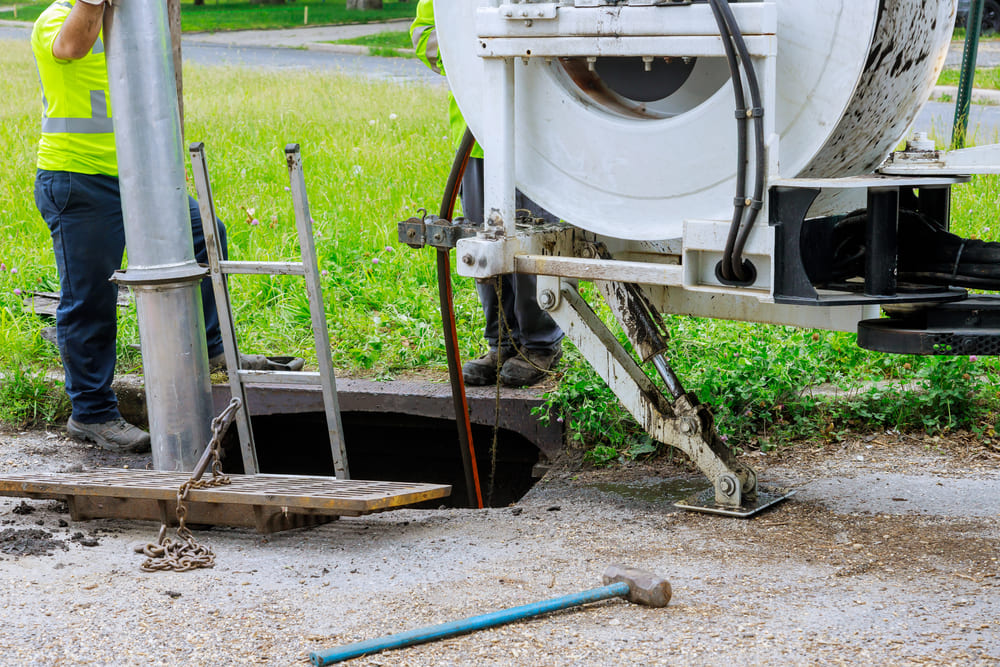
Pumping crews need to find the access lid, open it, and place a hose within reach of the tank. Snow cover hides the lid, and frozen soil can seal it in place. Nebraska frost depth commonly reaches 30 to 42 inches, which is deeper than many tank lids are buried.
If your lid sits at ground level or on a riser, access is usually simple. Buried lids take more work, since the crew may need to dig through frozen soil.
Homeowners can help by doing a few things:
- Mark the lid with a flag or stake before the first snowfall.
- Clear snow from the lid and a path for the truck and hose.
- Avoid shoveling salt or ice melt onto the area, which can harm nearby grass and the drainfield.
- Keep the driveway plowed so the truck can get close to the tank.
Many tanks have two lids, and the crew may need to open both to pump and inspect the baffles.
Why a Frozen Septic System Requires More Than Pumping
Pumping empties the tank, but it does not thaw frozen pipes, a frozen inlet, or a frozen drainfield. If wastewater is not entering the tank or not leaving it, the cause is likely ice somewhere in the system.
Signs of a freeze include:
- Slow drains throughout the house
- Gurgling sounds from plumbing fixtures
- Sewage odors indoors or near the tank
- Wastewater pooling in the yard
A crew can pump the tank to relieve pressure, but a frozen line needs to be thawed by a professional, often with steam or a specialized thawing tool. Using a torch or open flame on pipes is unsafe and can damage them.
Homeowners should not pump a tank repeatedly to compensate for a frozen line. Once the ice is cleared, the system can be inspected to find out why it froze, such as shallow pipes, low snow cover, or low water use.
Warning Signs That Service Should Not Wait
Backups, slow drains, odors, and soggy ground each point to a tank or drainfield that is already struggling. In winter, these problems tend to get worse faster, so acting early matters. Knowing the signs your septic tank needs attention, such as sewage backups, slow drains throughout the house, gurgling pipes, and persistent odors, can help you recognize when professional service is needed.
Sewage Backups, Slow Drains, and Persistent Odors
Several symptoms suggest a tank is full or a component is failing. Watch for these:
- Slow drains throughout the house. One slow sink is usually a local clog. When the shower, toilets, and sinks all drain slowly at once, the problem is often the tank or the main line.
- Gurgling pipes. Bubbling sounds after flushing or running a washer can mean wastewater is struggling to move out of the system.
- Sewage backing up. Wastewater in a basement floor drain, tub, or lowest toilet is an urgent sign.
- Odors. A sewage smell indoors or near the tank lid and drainfield points to a problem.
- Wet or unusually green patches. Soggy ground or bright green grass over the drainfield can mean effluent is surfacing.
In Nebraska, frozen ground can hide these signs. A standing puddle or a strip of snow that melts faster than the rest of the yard can signal wastewater near the surface.
What to Do While Waiting for Professional Help
Reduce the water entering the system until the tank is serviced. Every gallon sent down the drain adds to the pressure on a full tank.
- Postpone laundry and dishwasher cycles. These send large volumes of water in a short time.
- Shorten showers and avoid baths.
- Fix running toilets and dripping faucets, since steady small flows add up.
- Skip chemical drain cleaners and septic additives. They do not fix a full tank and can harm the bacteria that break down waste.
- Keep vehicles and heavy equipment off the tank and drainfield.
If sewage is backing up indoors, keep people and pets away from the affected area and avoid handling the wastewater. Call your septic provider and describe the symptoms, the date of your last pumping, and whether the lid is accessible or buried under snow. Clearing snow from the lid area ahead of the visit can save time on the day of service.
Preparing Your Property for Cold-Weather Service
A few tasks done before the truck arrives make a winter pumping visit faster and safer. Knowing where your lids are, keeping the path to them clear, and agreeing on weather terms with your provider will prevent most delays.
Locating Tank Lids and Checking for Access Risers
Most residential tanks have one to three lids, usually buried 4 to 12 inches below the surface. Once the ground freezes or snow accumulates, finding them becomes much harder. Locate them while the ground is still workable.
Check your as-built drawing or county septic permit, which often shows tank placement relative to the house. A metal probe pushed into the soil, or a metal detector, can find a lid that has no marker.
If your tank has access risers, which are pipe or plastic extensions that bring the lid to ground level, confirm the lids are intact and not cracked. Risers make winter pumping much easier because no digging is needed.
Without risers, plan to excavate each lid before the ground freezes hard. Frozen soil can be difficult to dig, and some providers will not attempt it.
Mark each lid with a flag, stake, or brightly colored marker that rises above expected snow depth.
Clearing a Safe Route for the Pump Truck
A septic pump truck is a heavy vehicle, and it needs a firm, open path from the road to the tank. In winter, snow and ice are the main obstacles.
Clear the following before the appointment:
- Driveway and approach: Plow or shovel a path at least 10 to 12 feet wide, and treat icy slopes with sand or similar traction material.
- Area around the lids: Remove snow and ice so the crew can open them without chipping or digging.
- Overhead obstacles: Trim branches that hang low enough to catch the truck or hose.
- Hose route: The crew typically runs about 100 to 150 feet of hose, so keep the path between the truck and tank free of vehicles, equipment, and other obstacles.
Move pets and children away from the work area. Also tell the crew about hazards they may not see under snow, such as sprinkler heads, drainage lines, or soft spots near the drain field.
Avoid driving or parking over the tank and drain field yourself, since compacted or frozen soil there can damage buried components.
Discussing Weather Delays and Potential Additional Costs With Your Provider
When you schedule, ask how the company handles bad weather. Heavy snow, ice, or extreme cold can push an appointment back by days, and some providers will not pump when conditions are unsafe.
Ask about these points directly:
- Whether there is a winter surcharge or extra fee for cold-weather service
- Whether digging out lids is billed separately, and at what rate
- What happens if the crew arrives and cannot reach the tank because of snow or ice
- Whether a trip charge applies for a canceled or incomplete visit
- How they will contact you if the appointment changes
Get the answers in writing if possible. Surcharges and labor rates vary by company, so a quoted price from summer may not match the winter price.
If your system shows warning signs such as slow drains, gurgling, or an alarm, tell the provider so they can prioritize your visit.
Reducing Septic Problems Through Nebraska Winters
Most winter septic trouble in Nebraska comes from frozen ground, steady water habits, and a tank that is already full. A few specific steps taken before and during the cold months keep the system working through January and February.
Protecting the System From Frost Without Compacting Snow
Snow is a natural insulator, and a thick, undisturbed layer over the tank and drainfield helps hold ground temperatures above freezing. Packing it down with vehicles, snowmobiles, or snow blowers removes that insulation and lets frost reach pipes and soil deeper.
Keep these steps in mind:
- Keep vehicles and heavy equipment off the tank, lines, and drainfield all winter.
- Leave grass tall in fall, then let snow settle on it as a natural cover.
- Add 8 to 12 inches of loose mulch or straw over the tank and pipes if snowfall is thin.
- Do not plow or pile snow from the driveway onto the drainfield.
Mark the tank lid and drainfield corners with stakes in autumn so snow removal does not drive over them. Compacted soil also slows water absorption, which can lead to backups when the ground thaws.
Managing Water Use and Seasonal Absences
Spreading water use across the day keeps the tank from receiving too much wastewater at once. Run laundry in several smaller loads over the week instead of doing them all in one day, and repair dripping faucets and running toilets promptly.
Steady flow also matters in cold weather. Small amounts of warm household water moving through the lines help prevent pipes from freezing, so a home with almost no water use is more at risk.
If you leave for a week or more, do not simply shut off the water and walk away. Ask a neighbor or family member to run water briefly, or have the system checked before you go. A tank that sits unused with no flow can freeze more easily.
Avoid pouring grease, harsh chemicals, or excess bleach down drains, since these can disrupt the bacteria that break down waste.
Planning Routine Pumping With Superior Sanitation Services
Pumping removes the sludge and scum that reduce usable tank volume, and a tank with more open space handles winter conditions better. Most households with a standard residential tank need pumping every 3 to 5 years, though family size, tank capacity, and water use change that interval.
Early to mid fall, roughly September through early November, is a practical window. The ground is still workable, lids are easy to locate, and any repairs can be completed before the ground freezes.
| Timing | What to expect |
| Fall (September to early November) | Easy access, time for repairs |
| Winter | Possible, but frozen ground and snow can limit access |
| Spring | Good time to check for winter damage |
Superior Sanitation Services can pump the tank, inspect the baffles and lids, and tell you when your next service is due. If you live in Western Nebraska, including Imperial and surrounding communities, you can contact a septic company in Imperial for professional septic pumping and maintenance services. Keep a record of each visit so you can schedule the next one before winter arrives.