
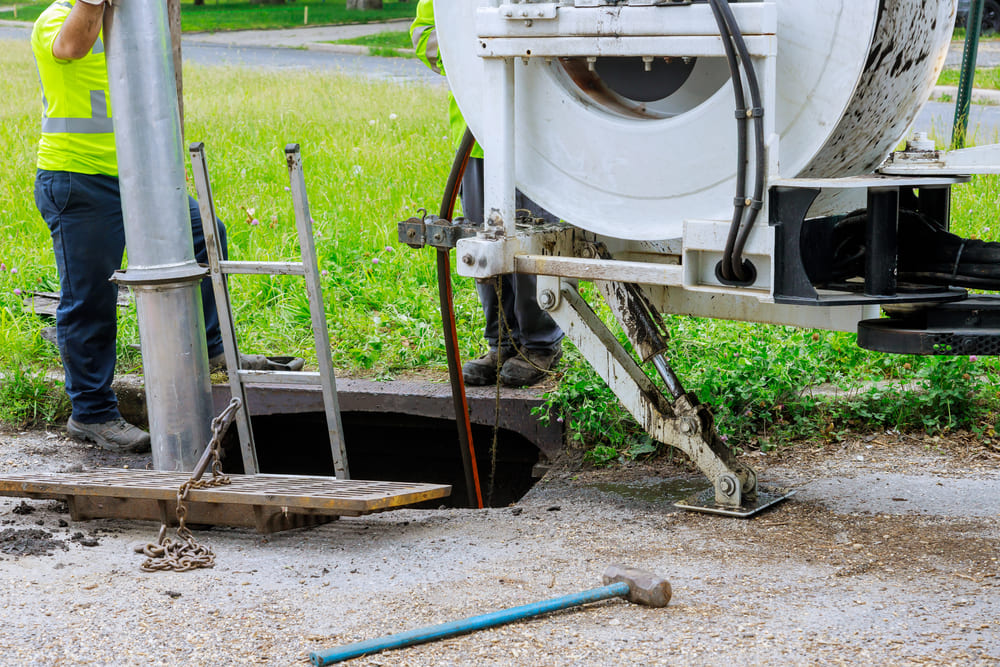
To winterize your septic system, pump the tank before the ground freezes, cover the tank, pipes, and drain field with 8 to 12 inches of mulch or straw, make sure all lids and risers are closed tight, and fix any dripping fixtures. Avoid adding antifreeze, salt, or septic additives, since these can harm the bacteria your system depends on.
A frozen system can lead to backups, costly repairs, and damage that is hard to see until spring. The steps below explain why freezing happens in this region, what to do before and during winter, and when to call a professional.
Key Takeaways
- Frost depth, wind, and low snow cover make septic systems in Western Nebraska prone to freezing.
- Pumping the tank and adding mulch insulation before the ground freezes reduces the risk of damage.
- Call a professional at the first sign of slow drains, odors, or backups instead of waiting for a thaw.
Why Rural Septic Systems Freeze in Western Nebraska
Freezing in a rural septic system usually comes from a combination of deep cold, wind-driven frost penetration, thin snow cover, and parts of the system that sit close to the surface. Low water use can add to the problem by leaving less warm wastewater moving through the pipes and tank.
How Extreme Cold, Wind, and Limited Snow Cover Increase Risk
Western Nebraska’s high plains climate produces sharp cold snaps, with overnight lows that can fall below zero for several days in a row. Frost depth in the region commonly reaches 30 to 42 inches, and it can go deeper during long cold stretches.
Wind makes this worse. Open rangeland and farmstead lots offer little shelter, so steady winds strip heat from the ground surface and speed up frost penetration.
Snow acts as insulation. A foot of fluffy snow can keep soil several degrees warmer than bare ground. Western Nebraska often gets cold weather without much snow, which leaves the soil over your system exposed.
Bare or mowed grass, packed snow, and vehicle or livestock traffic reduce insulation even further. Packed snow conducts cold more readily than loose snow.
Vulnerable Pipes, Tanks, and Drainfields
Not every part of a septic system freezes at the same rate. The components buried closest to the surface are the first to be at risk.
| Component | Typical Depth | Why It Freezes |
| Sewer line from house | 12 to 36 inches | Shallow sections, low spots, and low slope hold water |
| Septic tank inlet and lid area | 6 to 24 inches | Risers and lids sit near the surface and lose heat |
| Distribution box and lateral lines | 6 to 18 inches | Thin soil cover over a drainfield |
| Drainfield trenches | 6 to 24 inches | Little cover on bare, compacted soil |
The pipe between the house and the tank is a common trouble spot. A line that was installed with a shallow bury depth or an uneven slope can hold standing water, and standing water freezes first.
Tanks hold a large volume of liquid and stay warmer than the pipes around them. The inlet area, risers, and lids are more exposed, so ice often forms there.
Drainfields can freeze when soil is compacted, saturated, or lacks vegetation. Frozen ground in the field can also keep effluent from soaking in, which may push wastewater back toward the tank.
Why Low Household Use Can Lead to Freezing
A septic system relies on a regular flow of warm household water. Showers, laundry, and dishwashing send water through the pipes and into the tank, which helps keep the system above freezing.
When water use drops, that heat input drops with it. A home with one or two occupants, a seasonal cabin, or a house left empty during a winter trip can see standing wastewater cool quickly in the lines.
Hunting properties, farm shops with a bathroom, and vacation homes are common examples. Systems at these sites often go days or weeks without use during the coldest part of the year.
A common belief is that bacteria in the tank generate enough heat to prevent freezing. Bacterial activity produces very little heat and cannot offset a deep freeze, so a steady flow of household water matters more.
Leaky fixtures can also contribute. A constant drip may seem harmless, but it can freeze in a pipe and form an ice blockage over time.
Essential Maintenance Before the Ground Freezes
In western Nebraska, frost can reach well below a foot deep by January, so the work that protects a septic system is best finished in the fall. An inspection, pumping when due, leak repairs, and secure lids and insulation all reduce the risk of freeze damage and winter backups.
Schedule an Inspection and Pumping if Needed
Most household tanks need pumping every three to five years, depending on tank size, household size, and water use. A professional can measure the sludge and scum layers and tell you whether your tank is due.
Pumping before winter matters because a tank with excess solids has less room for wastewater to settle. Solids that carry over into the drainfield can clog it, and a repair on frozen ground is difficult and costly.
An inspection should also cover:
- The condition of the inlet and outlet baffles
- Effluent filter cleaning, if your tank has one
- Pump and alarm function for systems with a lift station or pressure distribution
- Signs of soggy or unusually green areas over the drainfield
Book this service early. Companies providing septic services in Ogallala fill their schedules quickly once the first hard freeze arrives.
Repair Leaks and Address Slow Drains
A dripping faucet or running toilet sends extra water to the tank all day. That steady flow can overload the drainfield and, in cold weather, saturated soil is more likely to freeze.
Check every toilet by adding a few drops of food coloring to the tank. If color shows up in the bowl within 15 minutes without flushing, the flapper is leaking and needs replacement.
Slow drains deserve attention now rather than in January. They can point to a partial clog in the household line, a blocked effluent filter, or a tank that is nearly full.
Fix leaks and have slow drains diagnosed by a professional before the ground hardens. Avoid chemical drain cleaners, which can harm the bacteria that break down waste in the tank.
Check Tank Lids, Access Risers, and Pipe Insulation
Lids and risers are the main points where cold air reaches the tank. Confirm that each lid sits flat, is free of cracks, and is secured according to local code, which also keeps children and animals out.
If a lid is damaged or the riser has gaps, replace or seal it. Adding a layer of rigid foam insulation, rated for ground contact, on top of the lid reduces heat loss.
Inspect any exposed pipes between the house and the tank, especially where they pass through a foundation wall or run through a crawl space. Wrap them with foam pipe insulation or heat tape designed for sewer lines, and follow the manufacturer’s instructions.
Mark the lid locations with stakes. Snow can hide them, and you will want to find them quickly if service is needed.
Protecting Your System Throughout Winter
Western Nebraska winters bring deep frost and long cold stretches that can reach the tank, lines, and drainfield. Snow cover, restricted traffic, steady water use, and a plan for empty homes all reduce the risk of a frozen system.
Insulate Exposed Areas With Appropriate Ground Cover
Soil freezes deepest where snow is thin or absent. Frost depth in the Panhandle commonly reaches 30 to 42 inches, so shallow lines and tank lids are the most exposed.
Leave the grass over the tank and drainfield uncut in late fall. Taller grass holds snow, and snow is an effective insulator. A foot of fluffy snow can keep soil several degrees warmer than bare ground.
If snowfall is light, add 8 to 12 inches of loose straw or hay over the tank, risers, and the first few feet of pipe leading from the house. Spread it in late fall before the ground freezes. Avoid plastic sheeting, which traps moisture and can cause ice to form.
Do not plow, blow, or shovel snow off the drainfield. Pile extra snow from driveways elsewhere.
Keep Vehicles and Livestock Off the Drainfield
Compacted soil freezes faster and deeper than loose soil. Packed snow loses its insulating air pockets, which lets frost reach buried lines.
Keep cars, trucks, tractors, and snowmobiles off the tank and drainfield area. Weight can also crack pipes or collapse a tank lid when the ground is hard. Mark the boundaries with stakes or flags so snow removal crews and visitors know where to stay clear.
Cattle, horses, and other livestock create the same problem through hoof pressure. Fence the area off, or move feeding stations, water tanks, and winter pens well away from it.
Walking across the area occasionally does little harm. Repeated traffic along the same path does.
Maintain Regular Water Use Without Overloading the System
Steady, moderate water use keeps warm wastewater moving through the pipes and tank. Long periods with no flow let lines cool and freeze.
Spread laundry across the week rather than doing several loads in one day. A flood of water can push untreated wastewater into the drainfield before the tank settles it out. Fix dripping faucets and running toilets, since constant trickles can freeze in the line.
Do not leave taps running to prevent freezing unless a professional advises it. This floods the drainfield and can cause its own failure.
Watch for warning signs:
- Slow drains or gurgling fixtures
- Sewage odors indoors or near the tank
- Wet or spongy ground over the drainfield
If you notice any of these, stop heavy water use and call a septic professional.
Prepare Vacant Homes for Extended Cold
A home with no occupants produces no warm wastewater, so the tank and lines cool and can freeze. This matters for seasonal houses, hunting cabins, and homes left empty during winter travel.
Before leaving, have the tank pumped if it is near its pumping interval. A tank with more room is less likely to be pushed past capacity when use resumes. Add the same insulating cover described above.
Ask a neighbor or friend to run water briefly once or twice a week, and to check the drainfield for snow cover. If the home will be empty for months, ask a septic professional whether the system can be drained or shut down safely.
When you return, run water slowly at first. Check drains and the yard for signs of a frozen or damaged line before resuming normal use.
Recognizing Trouble and Getting Professional Help
Slow drains, gurgling pipes, and standing water over the drainfield point to freezing or a developing backup, and each one calls for a specific response. Knowing what to look for, what to avoid, and when to call a licensed pumper keeps a minor problem from becoming a sewage release.
Warning Signs of Frozen Lines or Sewage Backups
Frozen septic components rarely fail without notice. Early signs usually show up inside the house first.
Watch for these indicators:
- Toilets that flush slowly or drains that empty sluggishly
- Gurgling sounds from pipes after a flush or a laundry cycle
- Sewage odors in the house or near the tank lid
- Water backing up in the lowest drain, often a basement floor drain or shower
- Wet, spongy, or unusually green patches over the drainfield while the rest of the yard is frozen or snow-covered
A single slow drain may be a clog in one fixture. If several fixtures slow down at once, the problem is likely in the main line, the tank, or the drainfield.
In western Nebraska, frost can reach well below the surface during extended cold snaps, especially where snow cover is thin or the ground is compacted. Reduce water use right away if you see any of these signs.
Why Antifreeze, Open Flames, and DIY Thawing Are Unsafe
Pouring antifreeze or salt into a septic system does not thaw it. Both can harm the bacteria that break down waste in the tank, and antifreeze can contaminate soil and groundwater, which matters on properties that rely on private wells.
Open flames and torches are a fire and injury risk. Methane and other gases collect in tanks and pipes, and a flame near a tank opening or a plastic line can cause an explosion or melt the pipe.
Pressure washers, steam machines, and electric heat tape not rated for the application can also crack pipes or damage the tank. Cracked lines let wastewater leak into surrounding soil and often require excavation to fix.
Do not open or enter the tank. Tanks hold toxic gases that can cause unconsciousness within minutes.
When to Contact Superior Sanitation Services
Call Superior Sanitation Services as soon as you notice backups, persistent odors, or several slow drains at once. If you live in Western Nebraska, including North Platte and surrounding communities, you can contact a septic company in North Platte for professional assistance. Waiting often increases the amount of wastewater that enters the home or pools on the surface.
Contact us immediately if:
- Sewage appears in a floor drain, tub, or toilet
- Wastewater pools above the tank or drainfield
- Drains remain slow after you reduce water use for a day or two
- You are unsure whether the cause is a frozen line or a full tank
A technician can locate the problem, pump the tank if needed, and recommend a safe way to restore flow. Pumping before winter, and scheduling an inspection if your system is due, reduces the chance of cold-weather failures.
Keep our number accessible and note your tank’s location and last pumping date. That information speeds up service when time matters.


