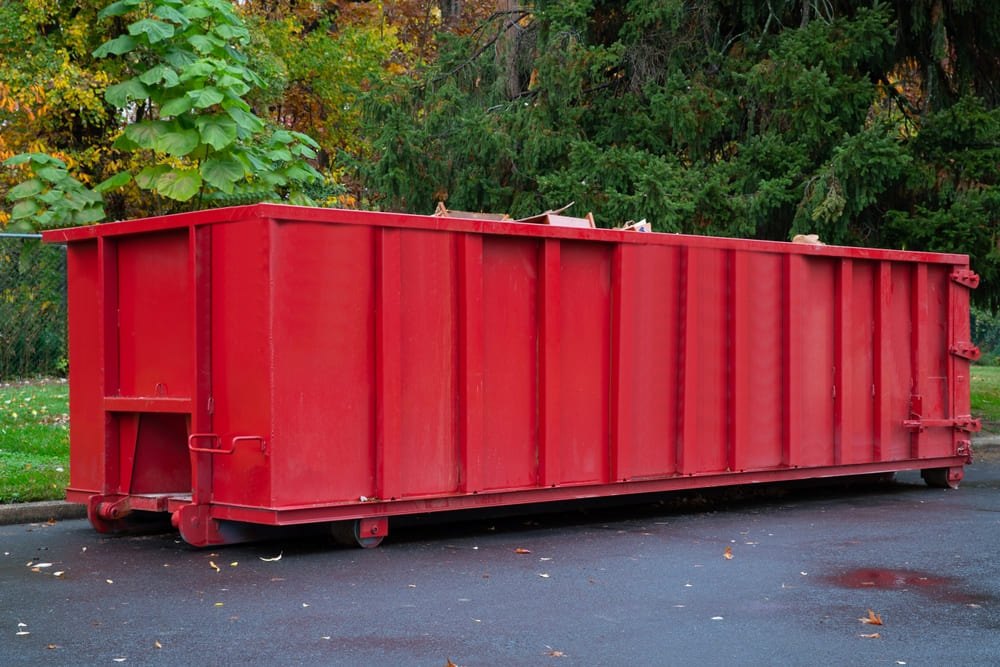
For most homeowners and landlords, a 10-yard dumpster suits a single-room cleanout, a 20-yard handles a full-house cleanout or small remodel, and a 30-yard or larger fits major renovations or multi-unit turnovers. Weight matters as much as volume, since heavy materials like concrete, tile, and roofing can trigger overweight fees even in a smaller container.
Booking also takes some planning, because year-end schedules fill quickly and some areas require permits for street placement. Knowing your debris type, your placement options, and the rental terms before you call helps you avoid delays and surprise charges.
Key Takeaways
- Estimate the amount and type of waste before choosing a container size.
- Pick a dumpster that matches both the volume and weight of your debris.
- Confirm placement, scheduling, and rental terms before you book.
Assess Your Cleanout Scope and Disposal Needs
A reliable dumpster choice depends on knowing what you are throwing away, how much of it there is, and which items cannot go in the container. A walkthrough before the rental date prevents overfilled bins, extra trips, and surprise fees. Whether you’re clearing out a home, garage, or rental property, roll-off dumpster rental provides a convenient way to manage and dispose of accumulated debris.
Inventory Household Clutter, Bulky Furniture, and Rental Property Debris
Walk each room, the garage, the attic, and the basement with a notepad or phone. Group items into three categories: small clutter, bulky furniture, and construction or turnover debris.
- Small clutter: boxes of papers, worn clothing, broken toys, and kitchen items. Count these in bags or boxes.
- Bulky items: sofas, mattresses, sleeper beds, dressers, and carpet rolls. Note each piece, since one sofa can take up several cubic yards.
- Rental turnover debris: damaged flooring, torn blinds, abandoned tenant belongings, and drywall scraps.
Rough volume guides help with sizing. A 10-yard roll-off suits a single room or garage, a 20-yard typically fits a whole-house cleanout, and a 30-yard handles larger estates or heavy turnover work.
Keep in mind that heavy debris such as concrete, tile, or shingles is usually limited by weight, not volume. Ask your provider about weight limits before you decide.
Separate Donations, Recyclables, and Items Requiring Special Disposal
Before anything goes in the container, pull out what has another destination. Removing these items often shrinks the dumpster size you need.
| Category | Examples | Where It Goes |
| Donations | Working furniture, clean clothing, small appliances | Local charities, thrift stores |
| Recyclables | Cardboard, scrap metal, glass, clean paper | Recycling center or curbside program |
| Special disposal | Paint, solvents, batteries, propane tanks, fluorescent bulbs | Household hazardous waste facility |
| Restricted items | Tires, refrigerators, televisions, monitors | Approved drop-off or separate pickup |
Hazardous materials are not accepted in standard roll-off dumpsters, and many areas restrict electronics and appliances containing refrigerants. Confirm your provider’s prohibited list in writing.
Schedule donation pickups a few days before delivery so the work does not overlap. Photograph valuable items and set them aside early, especially during an estate or tenant cleanout.
Match Dumpster Capacity to Your Project
The right container depends on three things: how much space the debris takes up, how much it weighs, and what it costs if you guess too low. Getting all three right keeps a year-end cleanout to a single delivery and a single pickup.
Compare Container Dimensions and Usable Space
Roll-off dumpsters are sold by volume in cubic yards, and the common residential sizes differ in both footprint and wall height. A 10-yard unit has low sides that are easy to load, while a 30-yard unit has walls around six feet tall.
| Size | Typical Dimensions (L x W x H) | Approximate Pickup Truck Loads | Typical Residential Use |
| 10-yard | 12′ x 8′ x 3.5′ | 3 to 4 | Small bathroom, garage corner, yard waste |
| 20-yard | 22′ x 8′ x 4.5′ | 6 to 8 | Full garage, kitchen remodel, roofing on a small home |
| 30-yard | 22′ x 8′ x 6′ | 9 to 12 | Whole-house cleanout, large renovation |
| 40-yard | 22′ x 8′ x 8′ | 12 to 16 | Major demolition, multi-unit turnovers |
Dimensions vary slightly by hauler, so confirm exact measurements before delivery. Bulky items like sofas, mattresses, and bed frames waste space because they leave air gaps, so plan for fill efficiency of roughly 70 to 80 percent for mixed household goods.
Also measure your driveway or placement area. A 20-yard container needs about 22 feet of length plus clearance for the truck to tilt and slide it off.
Account for Material Weight and Rental Weight Limits
Volume is only half the picture. Most rentals include a set tonnage, and overage is billed per ton, often at a rate that adds up quickly on dense debris.
Typical household cleanout items such as furniture, boxes, and clothing are light for their volume. Concrete, brick, soil, shingles, and tile are the opposite: a 10-yard dumpster filled with concrete can exceed legal road weight limits, so haulers often cap how high these materials can be loaded.
| Material | Approximate Weight |
| Mixed household junk | 150 to 300 lbs per cubic yard |
| Asphalt shingles | 300 to 400 lbs per square (roof area) |
| Wet or dense debris (soil, concrete) | 2,000+ lbs per cubic yard |
Ask your hauler for the included tonnage, the per-ton overage rate, and whether heavy materials require a smaller container or a fill line. Heavy loads are usually best matched to a 10-yard or 15-yard container, even if the debris seems small.
Balance Extra Capacity Against the Cost of a Second Haul
Underestimating is usually more expensive than sizing up. A second delivery and pickup can cost far more than the price difference between a 20-yard and a 30-yard container, and it adds days to the project.
A practical rule: if your estimate lands near the upper end of a size, move up one. Cleanouts almost always uncover more material than expected, from items in attics to forgotten storage in crawl spaces.
Oversizing has limits, though. A larger unit has a higher base price and may carry a higher included tonnage you do not need. Landlords turning over several units should compare one large container against staggered smaller ones, based on how quickly debris is generated and how long the container can sit on the property.
Overfilling is not an option. Debris must stay at or below the rim, and haulers can refuse to pick up an overloaded container or charge a correction fee.
Plan Safe Placement and Year-End Scheduling
A roll-off dumpster works best when it sits on a stable, accessible surface and arrives on a date that fits holiday schedules and weather. Choosing the spot, confirming permits, and loading to the correct height keep the cleanout on track and avoid extra fees.
Check Driveway Access, Surface Protection, and Permit Requirements
Most roll-off trucks need a clear path about 12 feet wide and roughly 20 feet of overhead clearance. Trim low branches and move vehicles, basketball hoops, and trash carts before delivery day.
Measure the placement area against the container size. A 10-yard dumpster is about 12 feet long and 6 feet wide, while a 20-yard unit is around 22 feet long. Leave open space behind the container, since the truck slides it off the rear.
Protect the surface with plywood sheets, typically 3/4-inch thick, placed under the container’s rails. This reduces gouges on asphalt and spreads the load on concrete. Avoid soft ground, septic lids, and steep slopes.
Permits to check:
- Driveway placement: Usually no permit is needed.
- Street or public right-of-way placement: Often requires a city permit, and some areas require reflective markers or cones.
- HOA communities: May restrict container size, placement, or duration.
Coordinate Holiday Availability, Weather, and Tenant Access
Late November through early January is a busy period for hauling companies, and Thanksgiving, Christmas, and New Year’s Day reduce pickup days. Book delivery one to two weeks ahead, and confirm the pickup date before the holiday week begins.
Rental periods commonly run 7 days, with extra days billed at a daily rate. Ask the provider how holidays affect the count so the container does not sit past your window.
Winter weather can delay delivery or block access. Clear snow and ice from the driveway and the area around the container. A truck cannot safely set down on a slick, unplowed surface.
Landlords should notify tenants in writing before delivery. Share the placement location, the delivery and pickup dates, and what may and may not go in the container. Keep walkways, fire lanes, and shared parking spaces open, and keep the dumpster away from building entrances and gas meters.
Load Debris Safely and Stay Below the Fill Line
Every roll-off has a fill line, usually the top edge of the walls. Debris must stay at or below it, because overfilled containers cannot be hauled legally and can lead to overage fees or a delayed pickup.
Place heavy, flat items such as furniture, cabinets, and lumber on the bottom first. Fill gaps with smaller items, and break down boxes and bulky pieces so they sit flat. Distribute weight evenly rather than stacking it in one corner.
Heavy materials like concrete, brick, soil, and roofing shingles can exceed the weight limit well before the container looks full. Ask the provider about weight caps and whether these materials need a smaller container.
Do not load:
- Paint, solvents, and chemicals
- Batteries and propane tanks
- Tires, appliances with refrigerant, and electronics, unless the provider confirms they are accepted
Wear gloves and sturdy shoes, lift with your legs, and avoid climbing into the container. Use the side door, if it has one, for heavy items.
Review Rental Terms Before Booking
A rental agreement determines what you pay, how long you keep the container, and what you can put in it. Reading the terms before you commit helps you avoid surprise charges and delays during a year-end cleanout.
Compare Included Services, Rental Periods, and Potential Fees
Start with the quoted price and find out exactly what it covers. Delivery, pickup, disposal, and a set weight allowance are often bundled, but not always.
Check these items line by line:
- Rental period: Many companies include 7 to 14 days. Ask what an extension costs per day.
- Weight limit: Overage is usually billed per ton after the included tonnage.
- Fuel or environmental surcharges: Confirm whether they are built into the quote.
- Trip charges: Blocked access or an overfilled container can trigger extra fees.
Ask for the full fee schedule in writing. A low base price can end up costing more than a higher quote that includes tonnage and a longer rental window.
Confirm Accepted Materials and Pickup Procedures
Every hauler restricts certain items. Common exclusions include paint, solvents, batteries, tires, propane tanks, and electronics. Mattresses, appliances with refrigerant, and some roofing materials may carry separate disposal charges.
Ask for the prohibited list before you start loading. A container that contains banned items can be refused at pickup or billed at a higher rate.
Also review how pickup works:
- Fill line: Waste must stay level with the container walls.
- Placement: The truck needs a clear path and overhead clearance.
- Surface protection: Ask whether plywood under the container is recommended for driveways.
- Scheduling: Find out how much notice is needed to request pickup.
Landlords handling tenant move-outs should confirm how abandoned furniture and household goods are classified.
Verify Available Options With Superior Sanitation Services
Contact Superior Sanitation Services before booking to confirm which container sizes, rental lengths, and pricing structures apply to your project. Availability can tighten near the end of the year, so ask about delivery windows early. If you live in North Platte or surrounding Western Nebraska communities, you can contact a provider offering dumpster rental in North Platte to discuss your cleanup needs. Availability can tighten near the end of the year, so ask about delivery windows early.
Questions worth asking:
- Which sizes are available for your address and project type?
- What tonnage is included, and what is the overage rate?
- Can the rental period be extended, and at what daily cost?
- Which materials are prohibited or carry extra charges?
Request a written quote or agreement that lists these details. Having the terms on paper makes it easier to compare options and resolve any disagreement after pickup.